“It’s not just that I’m angry,” one counselee told me. “I feel like I lost my family.”
That sentence captures a painful reality about church hurt. In After Church Hurt, I define church hurt as “any unrepentant sin that is minimized, normalized, or protected by a church culture and its leadership.”[1] Church hurt usually leaves people carrying far more than anger. Beneath the frustration, guardedness, and cynicism lives profound grief. People grieve lost friendships, trusted leaders, and ministries they loved. Some grieve the loss of worshipping and serving without fear. They no longer know how to enter church without wondering what might happen next.
Anger Can Reveal Grief Over Real Sin
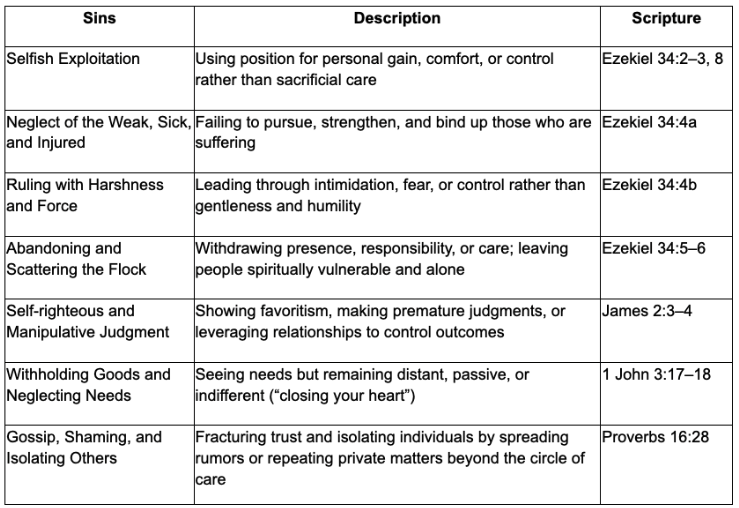
Much of the counseling process involves helping people understand not only what angers them, but also what they grieve. In his book Good and Angry, David Powlison wrote, “At its core anger is very simple. It expresses ‘I’m against that.’ It is an active stance you take to oppose something that you assess as both important and wrong.”[2] That instinct is not always sinful. Anger can reflect the heart of God who hates evil and loves what is good. Abuse, manipulation, deception, cowardice, and hypocrisy should grieve us and at times rightly anger us. Church hurt involves real evil. Here are just a few examples from Scripture:
When Anger Rules in the Heart
But anger rarely remains as a simple warning against someone else’s sin. Over time, grief and anger can harden into bitterness or self-righteousness. James 4 asks, “What causes quarrels and what causes fights among you?” James answers by pointing beneath our reactions and into our hearts. Conflict reveals desires and treasures that rule us.
This matters in counseling church hurt because hurting people tend to carry grief, fear, self-protection, and anger all at once. There may be righteous grief over genuine sin, but there may also be ruling desires shaping the heart. “I want everyone to understand what happened to me.” “I want justice now.” “I want to never be vulnerable again.” “I need complete safety before I trust anyone.” Some of these desires reflect understandable longings. What began as a cry for justice can slowly become a demand for control.
David Powlison wisely wrote, “When a little thing pushes your buttons, it says something big about the buttons inside you.”[3] Church hurt can expose how deeply we long for safety, belonging, justice, love, and security. Those desires are not inherently wrong, but when they begin to rule us, sinful anger can start to shape how we live. Counselors cannot focus only on what happened to someone. We must also lovingly explore how suffering influences their heart and tempts them toward sin.
Anger Can Become a Refuge
At first, anger feels protective. “No one will hurt me again.” “I’ll never trust another leader.” “I’m done being vulnerable.” These responses usually emerge from real suffering. Counselors should be careful not to shame the self-protective instincts of hurting people. But over time, anger can slowly become a refuge that replaces God. People begin to feel safer inside cynicism than hope, safer inside suspicion than vulnerability. What began as a shield slowly becomes a prison.
Anger moves in two directions. When heated, it can move against people through harshness, attacking, criticism, or explosive reactions. Yet cold anger moves away from people through withdrawal, emotional distance, numbness, and isolation. This colder form of anger is especially common after church hurt because it might appear respectable. A person may remain outwardly composed while inwardly drifting deeper into bitterness and disconnection. Over time, every church begins to feel dangerous. Every leader becomes suspect. Every disappointment confirms old fears. Isolation starts feeling righteous. Yet anger cannot ultimately heal the soul. It promises protection while cutting people off from the essential pathways of grace God provides for us in the body of Christ.
The Posture of Judge or Helper
One of the most searching questions we can ask ourselves in anger is this: What posture am I taking toward others? James 4:11-12 warns believers against placing themselves in the role of judge. Sinful anger moves us into a posture of superiority where we mentally prosecute others over and over again. Paul Tripp once described bitterness as “confessing someone else’s sins to yourself repeatedly.” Bitterness feels productive because it keeps the case open in our minds. That is exactly what many wounded people experience internally. The mind constantly replay video evidence of failures, conversations, betrayals, and disappointments until the courtroom of our anger begins to define how we think about someone. This does not mean minimizing evil or avoiding confrontation. Some situations absolutely require biblical boundaries, accountability, reporting, or separation from harmful leadership. But even necessary confrontation must still reflect the character of the Father of mercies rather than an accusatory spirit.
Psalm 145 describes God as “gracious and merciful, slow to anger and abounding in steadfast love.” That phrase carries great importance for believers who have been wronged by their churches. God is not indifferent to evil, but His anger is never impulsive, selfish, cruel, or vindictive. His anger is patient, merciful, and restorative.
Repenting Over Sinful Anger
One of the most difficult moments in counseling church hurt comes when a wounded person begins to see that they are not only suffering from another person’s sin, but also responding sinfully themselves. Many counselees fear that acknowledging their own anger somehow minimizes what happened to them. If they confess bitterness, they worry that they are excusing abuse, overlooking manipulation, or surrendering their pursuit of justice. It does not. We can honestly say, “What happened to me was wrong,” while also saying, “My response has not always honored Christ.”
Repentance begins when we stop defending sinful anger and call it what God calls it. Scripture describes bitterness, malice, slander, and an unforgiving spirit as sins that grieve the Holy Spirit (Ephesians 4:30-31). A person may find themselves replaying offenses repeatedly, delighting in another person’s downfall, withdrawing from Christian community, spreading accusations, or nurturing a spirit of contempt. These responses are understandable temptations after church hurt, but they are not safe places for the soul to live.
Repentance also involves grieving what anger has produced. Paul distinguishes between worldly grief and godly grief in 2 Corinthians 7. Worldly grief becomes consumed with loss, injustice, or self-protection. Godly grief recognizes how sin has distorted our relationship with God and others. The goal is not merely to feel bad about our anger, but to see how bitterness has begun to compete with trust in Christ.
As counselors, we can help wounded people ask searching questions: How has my anger affected my relationship with God? How has it affected my ability to love others? Where have I begun to justify attitudes or actions that Scripture calls sin? What would it look like to entrust justice to the Lord rather than carrying it myself?
Repentance is not the same thing as pretending the hurt never happened. It does not require immediate reconciliation, the removal of wise boundaries, or the absence of ongoing grief. Rather, repentance is a turning away from sinful anger and a turning toward Christ. It is relinquishing the role of prosecutor and entrusting judgment to the One who judges justly. It is choosing to bring our pain to God rather than using our pain to justify sin.
For many people, this is where the counseling process becomes frightening. It is one thing to identify the sins of those who hurt us. It is another thing to see our own bitterness, self-righteousness, or desire for vengeance. Wounded people often fear that if they honestly face their sinful anger, they will find only condemnation.
But the gospel transforms how we approach repentance. We do not confess our sins in order to earn God’s acceptance. We confess them because Christ has already made a way for sinners to draw near. The same Savior who sees every evil committed against us also sees every sinful response within us. Yet He invites us to come into the light, not to crush us, but to heal us.
The Gospel and God’s Abundant Mercy
This becomes powerfully clear at the cross. God looked at our rebellion and rightly declared, “This is wrong, I’m against this, and I must respond.” And how did he respond? He sent his Son. Jesus absorbed the judgment our sins deserved so that sinners could be forgiven, restored, and reconciled to God. At the cross we see both God’s holy wrath against evil and the his staggering mercy toward us.
Meditating on the gospel helps us see that healing after church hurt is not mainly about learning to trust churches again. It’s discovering that Christ remains faithful even when his people fail grievously. Hurt believers often fear that cynicism and self-protection are the only safe ways to live. But Christ patiently meets wounded people with mercy rather than condemnation so that they can begin to live in a posture of mercy toward those who sinned against them. Our Savior does not minimize evil, yet he also refuses to let bitterness become our refuge.
It is right to grieve what was lost. It is right to name evil biblically. And when anger hardens into bitterness, it is right to repent. Through his careful work of grace and truth, Christ gently teaches hurting hearts to lament honestly, forsake sinful anger, reflect his mercy, and find true refuge in his steadfast love that never fails.
[1] Timothy St. John, After Church Hurt: Healing in the Care of the Good Shepherd (Greensboro, NC: New Growth Press, 2026), 2.
[2] David Powlison, Good and Angry: Redeeming Anger, Irritation, Complaining, and Bitterness (Greensboro, NC: New Growth Press, 2016), 39.
[3] Ibid., 12.